What Happens to Your Property When Nobody's Watching
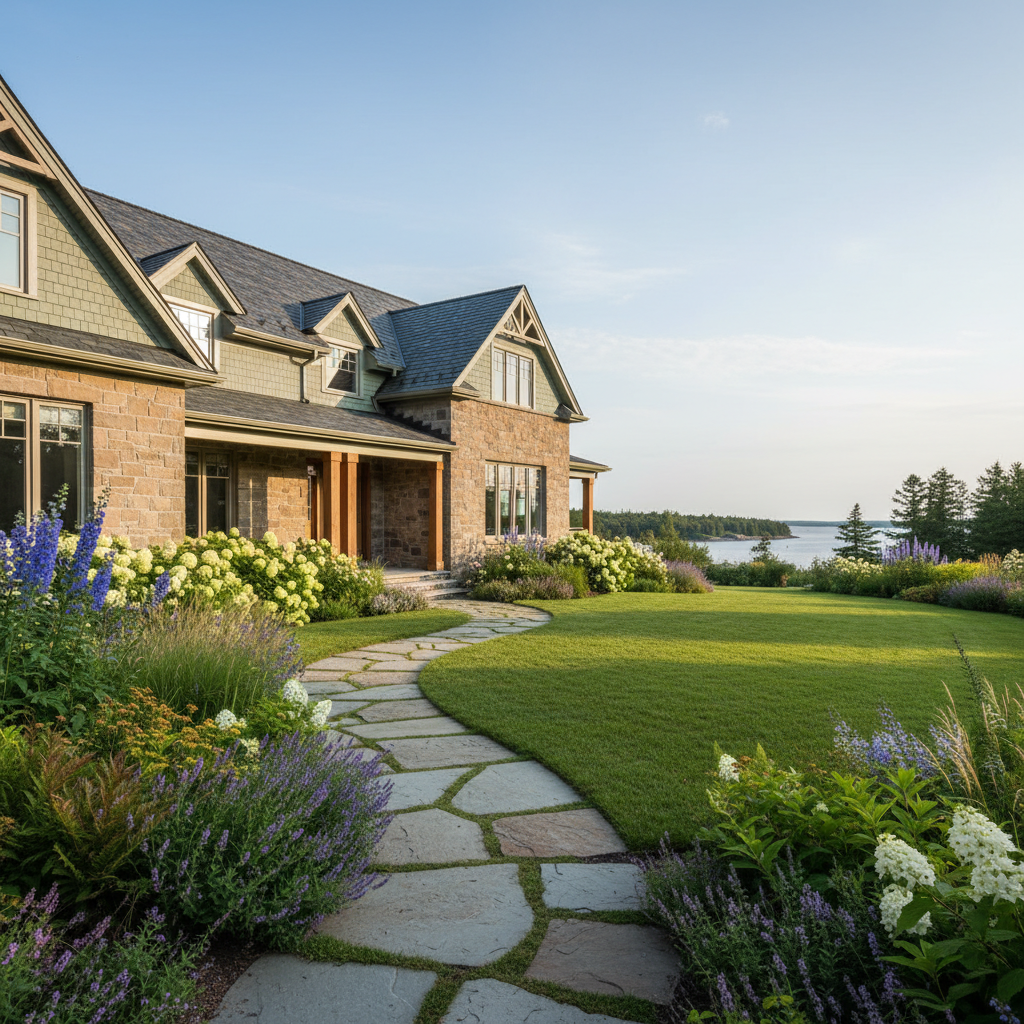
An unattended property in the Georgian Bay corridor does not stay the same - it degrades. The problems compound quietly between your visits, and by the time you arrive, what started as a manageable issue has become a season-long fix.
- Spring thaw damage goes undetected: Frost heave can shift pavers, crack retaining walls, and uproot shallow-rooted plantings. If nobody checks in April, the damage sits until your first summer visit. By then, secondary problems - erosion, weed colonization, water infiltration - have compounded what was originally a minor repair. An annual hardscaping inspection after spring thaw catches these early.
- Overgrown beds and lawn decline: Without spring cleanup and consistent care, garden beds are overtaken by weeds within weeks of the frost leaving. Lawns that miss early-season fertilization and their first mowing develop bare patches and moss that take an entire season to correct - not a weekend.
- Irrigation failures go undetected: A system that was not properly winterized may have burst lines underground. Without a spring startup check on every zone, you will not know until plantings start dying in July. By that point, the damage is done. Proper irrigation maintenance includes a full zone test after startup.
- Pest and disease issues escalate: Emerald ash borer, gypsy moth, and various fungal diseases are active in the Georgian Bay area. Early detection requires regular property visits. By the time you see the problem on a summer weekend, it may be too late for the affected trees or shrubs.
- Drainage failures from spring runoff: Properties on slopes - common throughout Blue Mountain and the Escarpment communities - can experience significant erosion during spring melt if drainage channels are blocked with debris. One unattended spring can redirect water toward a foundation or wash out established planting beds.
- The neighbours notice: A property that looks neglected in Lora Bay or Craigleith affects more than your enjoyment. Year-round care is also about maintaining the value and appearance of a significant financial asset. The properties on either side of yours are maintained - yours should be too.
What Year-Round Property Care Actually Looks Like
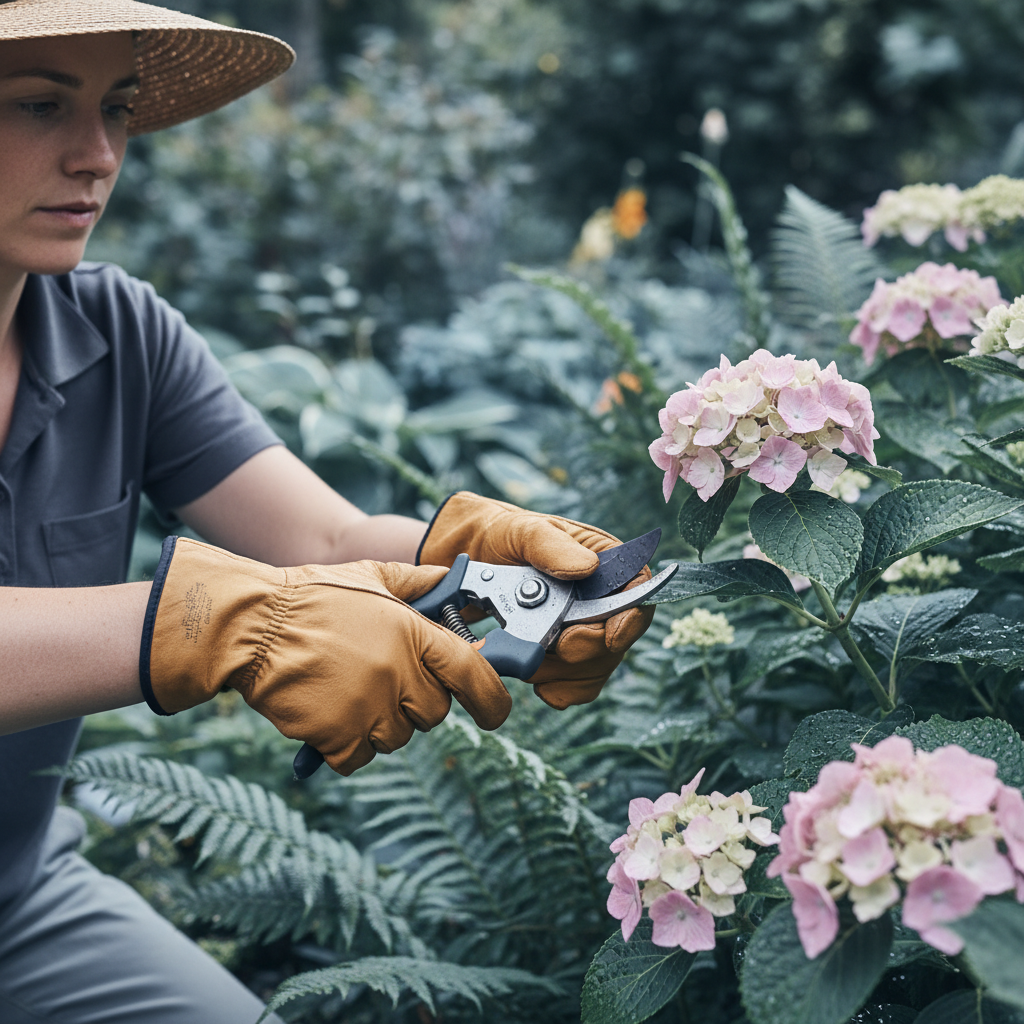
A year-round property care program is not a vague commitment to "keep things looking good." It is a structured seasonal schedule with specific tasks in each period. Here is what it looks like on a Georgian Bay property.
Spring (April to May)
- Full debris cleanup from winter - branches, leaves, accumulated debris in beds and on hardscaping
- Garden bed edging, mulch application, and removal of any winter-damaged plant material
- Pruning of branches damaged by ice and snow load
- Irrigation system startup: reinstall pump heads, run all zones, check for leaks and freeze damage, adjust controllers for the season
- Hardscaping inspection: check pavers for frost heave, retaining walls for movement, drainage channels for blockage
- Lawn assessment: aeration if needed, overseeding bare patches, first fertilization of the season
- Photo report sent to you with conditions noted and work completed - you know what your property looks like this week without driving up
Summer (June to August)
- Weekly or bi-weekly maintenance visits depending on property size and lawn growth rate
- Mowing, edging, trimming around all beds and hardscaping
- Weeding of all garden beds and cracks in hardscaping
- Deadheading flowering perennials to extend bloom periods
- Irrigation monitoring and adjustment through dry spells - Georgian Bay summers can be dry in July and August
- Hedge and ornamental shrub pruning to maintain designed form
- Pest and disease monitoring: early detection of leaf miners, aphids, or fungal issues
- Your property looks its best for the summer weekends you are there - and every week you are not
Fall (September to November)
- Leaf cleanup and removal - multiple passes as leaves fall through October and into November
- Perennial cutback and garden bed preparation for winter
- Irrigation system blowout and full winterization - typically by mid-October in the Georgian Bay corridor before the first hard freeze
- Lawn fertilization with a winter-prep formulation for root strength through the dormant period
- Application of protective mulch around sensitive plantings before freeze
- Final hardscaping inspection before the first freeze: check for any movement or cracking that should be addressed before winter sets in
- Note any repairs needed so spring can begin with a clear scope of work
Winter (December to March)
- Property monitoring after major storms - check for snow damage to structures, bent or broken branches from ice load
- Snow removal from driveways and walkways (if included in the program or through a referred partner)
- Drainage and gutter check after significant thaw-freeze cycles
- Design planning conversations for spring work - this is when many second-home owners, present in the corridor for ski season, begin discussing larger projects for the coming year
- Retreat is Collingwood-based and operating year-round, not a seasonal crew that shuts down in November
How to Choose a Property Care Provider for Your Second Home
You are evaluating a company to steward a property you care deeply about but cannot monitor closely. Here are the criteria that matter most when the owner is not on-site.
- A single point of contact, not a revolving door: You should know the name and direct phone number of the person responsible for your property. If the company sends a different crew leader every visit and nobody on site recognizes your property's history, quality will be inconsistent. Ask how many crews they run and who manages client communication directly.
- Proactive communication, not just reactive: The best providers send photo updates and written notes after every visit - not just when there is a problem. You should know what your property looks like this week without asking. If a company cannot tell you what happened on your last maintenance visit, they should not be managing your property.
- Year-round operations, not a seasonal crew: A company that shuts down in November and restarts in May leaves your property unmonitored for five critical months in the Georgian Bay climate. The winter monitoring visit, the fall irrigation blowout, and the spring startup within the right weather window all require a team that operates 12 months a year.
- Integrated capability across all systems: Your property has hardscaping, plantings, irrigation, structures, and possibly a water feature. A provider who only mows lawns cannot assess whether your retaining wall shifted over the winter or your irrigation system has a line break. A full-service team catches problems across all systems early, before they become expensive. Learn about our maintenance services.
- Local presence and knowledge: The Georgian Bay corridor has specific conditions - clay soils in some areas, sandy coastal zones in others, Escarpment microclimates, salt exposure near the water. A provider who does not work in your area year-round will not recognize the early signs of problems specific to your terrain.
- A relationship that can grow with your property: The best maintenance provider is one who also has the capability to design and build when you are ready for the next phase. The crew that already knows your property, your soil, and your aesthetic is the natural team to handle a patio project or a garden redesign when that conversation comes. Look for a company where maintenance and design-build are part of the same operation. That is how many of our client relationships at Retreat begin: maintenance first, transformation when the time is right.